Philosophy
We explore its essence through science.
Introduction to Our Laboratory
We approach food ingredients from a chemical perspective in both education and research. Building on our work in identifying carbohydrate-degrading enzymes and applying them to food ingredients, as well as advancing food chemistry through genomics, we will integrate genome, protein, and chemical language models into food science. By connecting biological and molecular information across food ingredients, plants, and microorganisms, we aim to accelerate the discovery and application of enzymes, microorganisms, plant resources, and components found in food ingredients—and thereby drive innovation in food science.
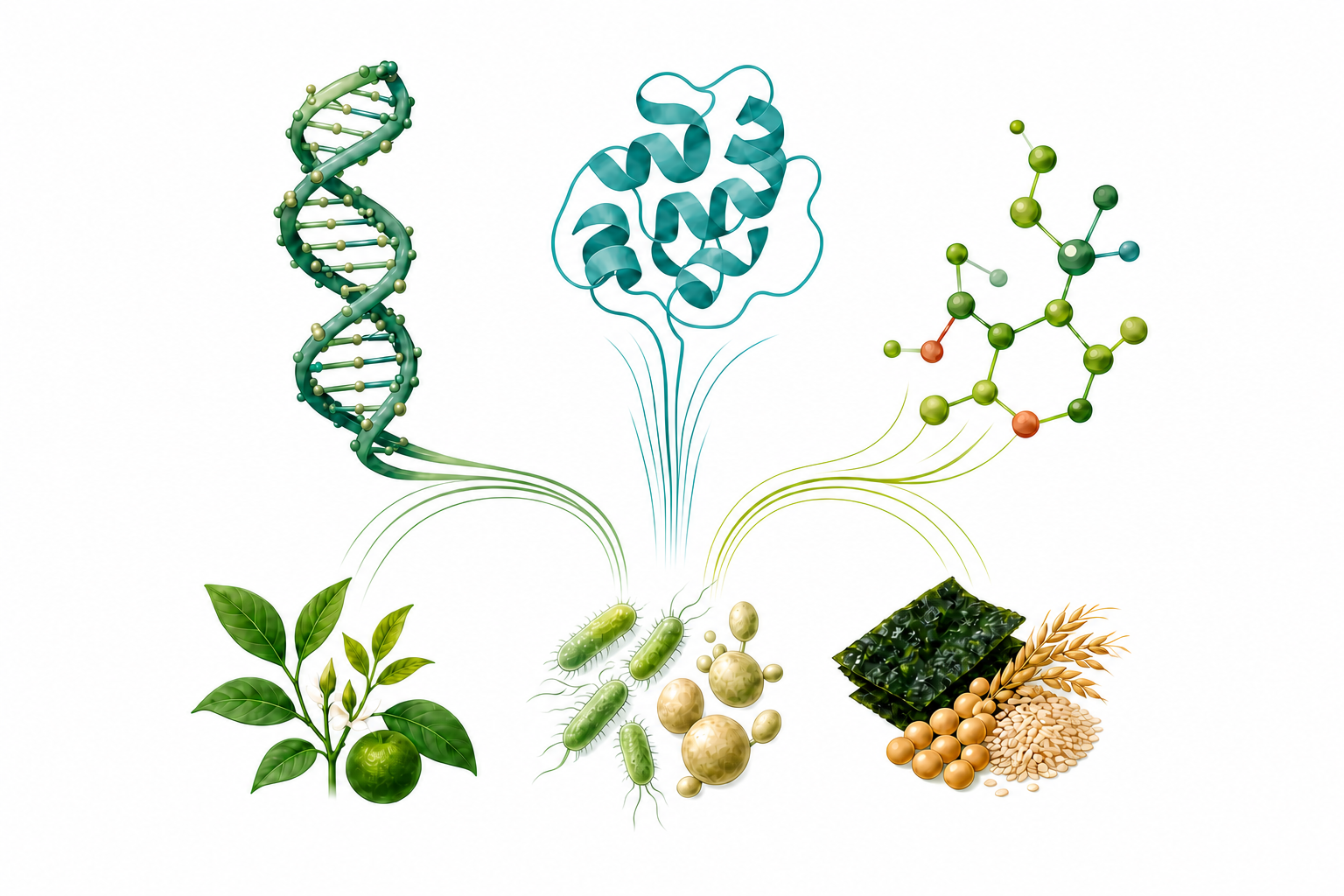
In the United States, the growing use of anti-obesity medications has increased interest in nutrient-dense foods that can provide essential nutrients even when overall food intake is reduced. In contrast, the market for such foods remains limited in Japan. However, undernutrition associated with population aging, low body weight among young women, and the likely wider adoption of anti-obesity medications will make nutrition challenges typical of developed countries increasingly important in Japan. Against this background, we are advancing research on nutrient-dense foods. Nori and natto, which we have studied extensively, are among the most promising subjects of this research.

For prospective international students
Members
Faculty
-
Yukio Nagano
- Professor, Faculty of Agriculture, Saga University
- Head, Applied Biochemistry and Food Science Course (Academic Year 2026)
- Email: nagano@cc.saga-u.ac.jp
- Professor, The United Graduate School of Agricultural Sciences, Kagoshima University (Kagoshima, Japan)
- Visiting Professor, Vishnu Institute of Pharmaceutical Education & Research (Narsapur, Telangana, India)
- Visiting Professor, Shri Vishnu College of Pharmacy (Bhimavaram, Andhra Pradesh, India)
- Director, Smart Review Technologies Co., Ltd.
- Editorial Board Member (Genetics), Scientific Reports (Nature Portfolio), the world’s second-most-cited journal
- Editorial Board Member (Genetics), Scientific Reviews (Nature Portfolio)
- Major Publications
- Publications
- Facebook (personal account; not used for university duties)
- GitHub: https://github.com/yukio-nagano
- Kiyohiko Seki
- Lecturer, Faculty of Agriculture, Saga University
Graduate Students
- Eranga Pawani Witharana
- Second-year doctoral student, The United Graduate School of Agricultural Sciences, Kagoshima University (affiliated with Saga University)
- Publications
- GitHub: https://github.com/Eranga-Witharana/
Visiting Researcher
- Durga Bhavani Koruprolu
- Second-year master’s student, Shri Vishnu College of Pharmacy (Bhimavaram, Andhra Pradesh, India)
Undergraduate Students
- Ayuka KawashitaFourth-year undergraduate student, Faculty of Agriculture, Saga University
- Hiyori OshiroFourth-year undergraduate student, Faculty of Agriculture, Saga University
- Riona NagatomoFourth-year undergraduate student, Faculty of Agriculture, Saga University
- Takuma YamaguchiFourth-year undergraduate student, Faculty of Agriculture, Saga University
Latest Research
-
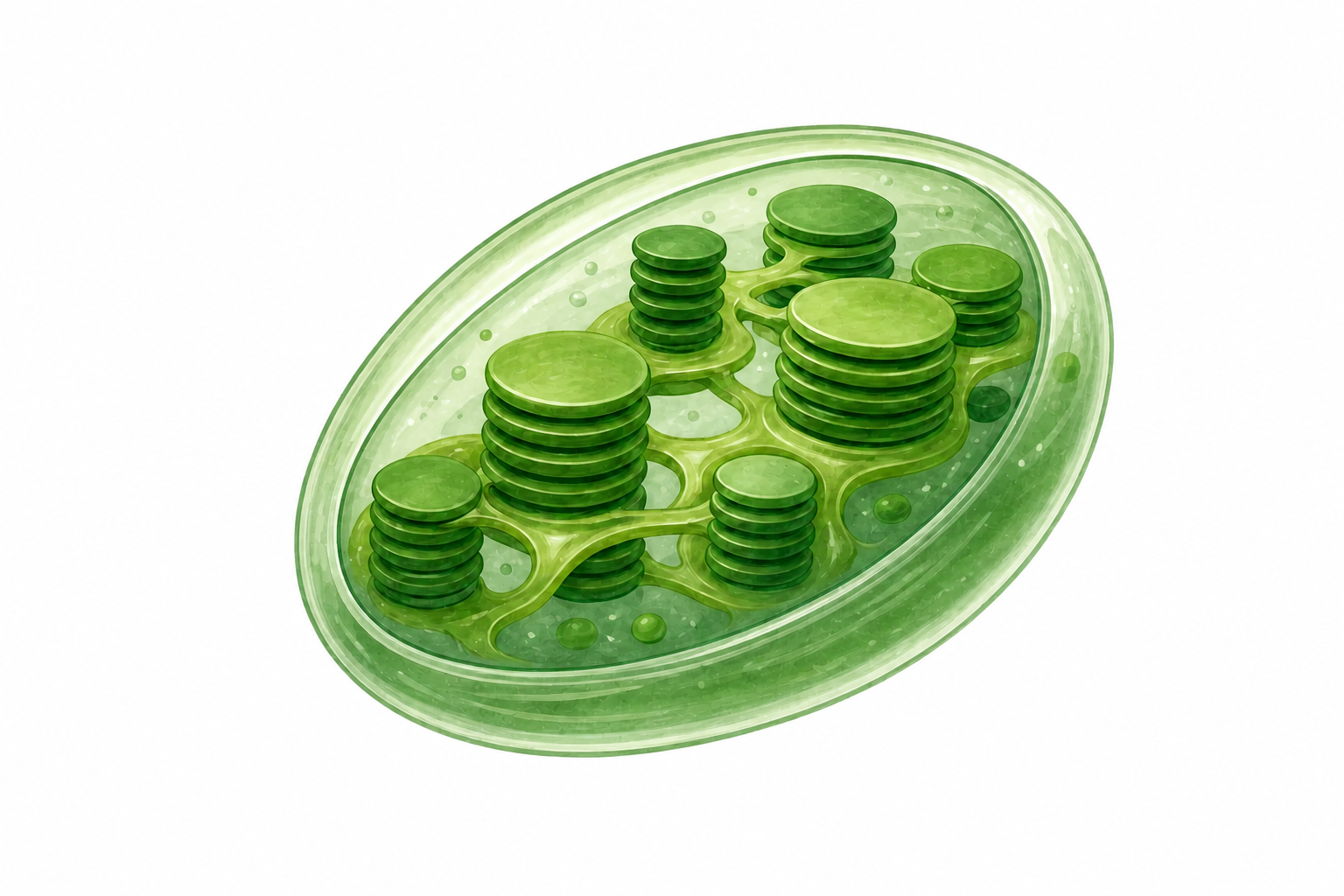
Chloroplast Genomics
Chloroplast Genomes Are Not “Fixed Blueprints”
-
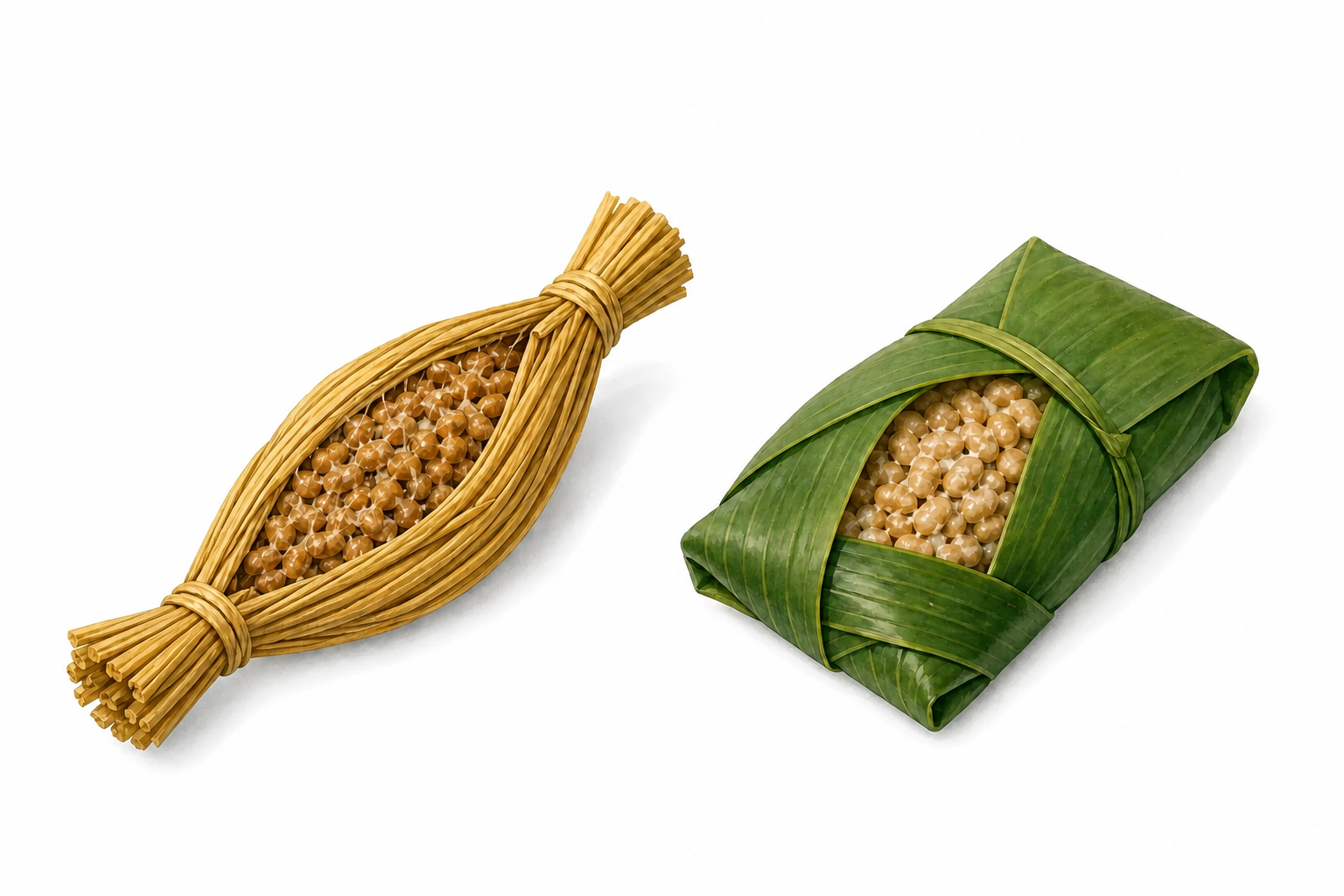
Food Microbiology
High-Throughput Pipeline for Genome Analysis of Bacteria Used in Food Production
-
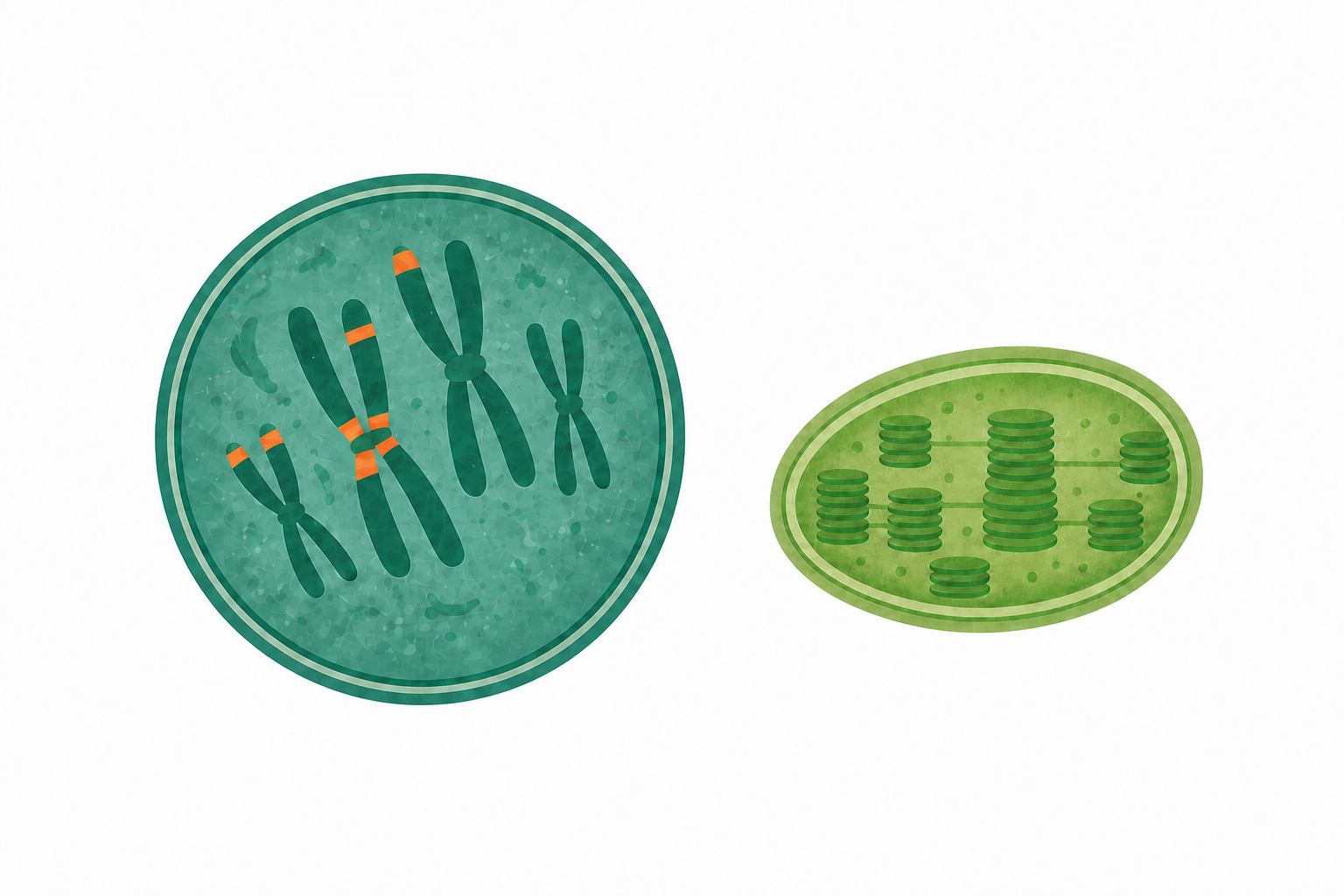
Plant Genomics
Reading Nuclear and Chloroplast DNA from the Same Sequencing Reads
Studies Featured in Press Releases
Collaborative Research Opportunities
The research methods we have developed and published integrate genome analysis with functional evaluation, focusing on food-related microorganisms. Using next-generation sequencing data, we analyze at the molecular level the gene sets and metabolic characteristics involved in food production and fermentation. We are also developing a pangenome-analysis method for eukaryotic microorganisms and have made the EukPan program publicly available in the GitHub repository yukio-nagano/eukpan. Using these approaches, we invite collaborative research ranging from basic to applied studies in food science, both in Japan and internationally.
By applying the research methods we have developed and published, it is possible to prepare and publish academic papers on the molecular evolution of animals and plants using only publicly available data. We are already conducting collaborative research with researchers in India using this approach and are now seeking a small number of additional partners, both in Japan and abroad, to further advance this research. Applicants are required to be able to communicate in English and to have access to a computer running Linux.
Events & Updates
| September 7 to 13, 2026 | We held a Sakura Science Exchange Program. One faculty member and seven undergraduate students from the Sri Vishnu Educational Society in India visited Japan. On August 21, 2026, we issued an advance press release. |
| September 2, 2026 | Today, we adopted ChatGPT Business, a plan designed for teams such as research laboratories. Because it can be paid for with research funds, we will provide this advanced AI tool particularly to highly capable and motivated graduate students, further accelerating our research. Our laboratory will continue to invest actively in outstanding students. |
| August 24, 2026 | The University of Peradeniya recognized our following paper in the Q1 Journal Publications category. Subfamily evolution analysis using nuclear and chloroplast data from the same reads Eranga Pawani Witharana, Takaya Iwasaki, Myat Htoo San, Nadeeka U. Jayawardana, Nobuhiro Kotoda, Masashi Yamamoto & Yukio Nagano Scientific Reports 15, Article number: 687 (2025). A substantial part of this study was carried out at the University of Peradeniya in Sri Lanka. At that time, Yukio Nagano supported Eranga Pawani Witharana’s research remotely from Japan. She later received a Japanese Government (MEXT) Scholarship, moved her research base to Japan, continued the work, and completed it as this paper. The study is therefore also clearly an outcome of research activity at the University of Peradeniya. Dr. Nadeeka U. Jayawardana attended the award ceremony on behalf of our research group. We are delighted that the University of Peradeniya recognized this research achievement in this way. |
| August 20, 2026 | Yukio Nagano and colleagues published the paper “Human-mediated domestic translocation disrupts regional phylogeographic structure of the Genji firefly (Nipponoluciola cruciata) in urban Tokyo” in Conservation Genetics. The study shows that human-mediated domestic translocation has disrupted the regional phylogeographic structure of Genji firefly populations in urban Tokyo. This work was co-authored with Dr. Hirobumi Suzuki, one of Japan’s foremost experts in firefly research and conservation. On September 8, 2026, Meisei University, International Christian University, Kagoshima University, and Saga University issued a joint press release (information available in Japanese only). |
| March 30, 2026 | A joint project led by Yukio Nagano as the Japanese principal coordinator and Dr. Samudrala Pavan Kumar as the Indian principal coordinator was selected for the India–Japan Circulation of Talented Youths in Science Programme (LOTUS Programme). Dr. Kumar is affiliated with Shri Vishnu College of Pharmacy (SVCP) under the Sri Vishnu Educational Society. Through this project, Ms. Durga Bhavani Koruprolu from SVCP will stay in our laboratory as a visiting researcher for approximately one year starting today. As many selected projects involve the Indian Institutes of Technology, this selection is a particularly noteworthy recognition of the quality of our research framework and international collaboration. |
| March 26, 2026 | Seki and Nagano exhibited at the SAGA TSUNAGI Convention(in Japanese). |
| March 5, 2026 | Nagano and his colleagues established Smart Review Technologies Co., Ltd., and Nagano became a director of the company. |
| February 24, 2026 | With Ms. Eranga Pawani Witharana as the first author, a research group centered in our laboratory published the collaborative paper “Ongoing structural changes highlight the dynamic nature of chloroplast genomes” in Nucleic Acids Research [Journal metrics: 2025 Journal Impact Factor: 15.0; 2025 5-year Journal Impact Factor: 17.6; JCR Biochemistry & Molecular Biology: 14/328; 2025 CiteScore: 29.8; Scopus Genetics: 5/357 (Top 1.4%); 2025 SNIP: 5.1 (latest publisher-listed metrics as of July 2026)]. Information was released through a Saga University press release, a Kagoshima University press release(Japanese/English PDF), and a webpage from the United Graduate School of Agricultural Sciences, Kagoshima University. Although no online article is available, this work was featured in the Minami-Nippon newspaper on April 20, 2026. |
| February 2 to 13, 2026 | We hosted the Sakura Science Exchange Program. Four participants from the Sri Vishnu Educational Society in India and four participants from Tribhuvan University in Nepal visited Japan. In addition, Dr. Raju AEDLA, Centre Head of the Vishnu Japan Outreach Centre under the Sri Vishnu Educational Society in India, visited Japan separately from the Sakura Science Program. Saga University issued a press release(in Japanese) in advance, and the Saga Prefectural Government released a separate press statement(in Japanese) regarding the courtesy visit to the Governor of Saga Prefecture on February 9. Reflecting their different roles, the University’s International Planning Office and Nagano each published a post-program report (the former and the latter, respectively). |
| December 17, 2025 | Seki and Nagano published the co-authored paper “Conserved accessory genes link a phylogenetically distinct Bacillus subtilis strain from Indian bekang to the Japanese natto clade” in Scientific Reports [Journal metrics: 2025 Journal Impact Factor: 4.9; 2025 5-year Journal Impact Factor: 4.8; 2025 SNIP: 1.339; 2025 SJR: 0.893; the world’s second-most-cited journal (latest publisher-listed metrics as of July 2026)]. Nagano also wrote an introductory article, and Saga University issued an English-language press release. The photograph on its first page may be identified as “natto” by image search, but it actually shows Bekang. The study was featured in the Saga Newspaper(in Japanese) on January 14, 2026, and in the March 2026 issue of Kodomo no Kagaku(in Japanese), released on February 10, 2026. |
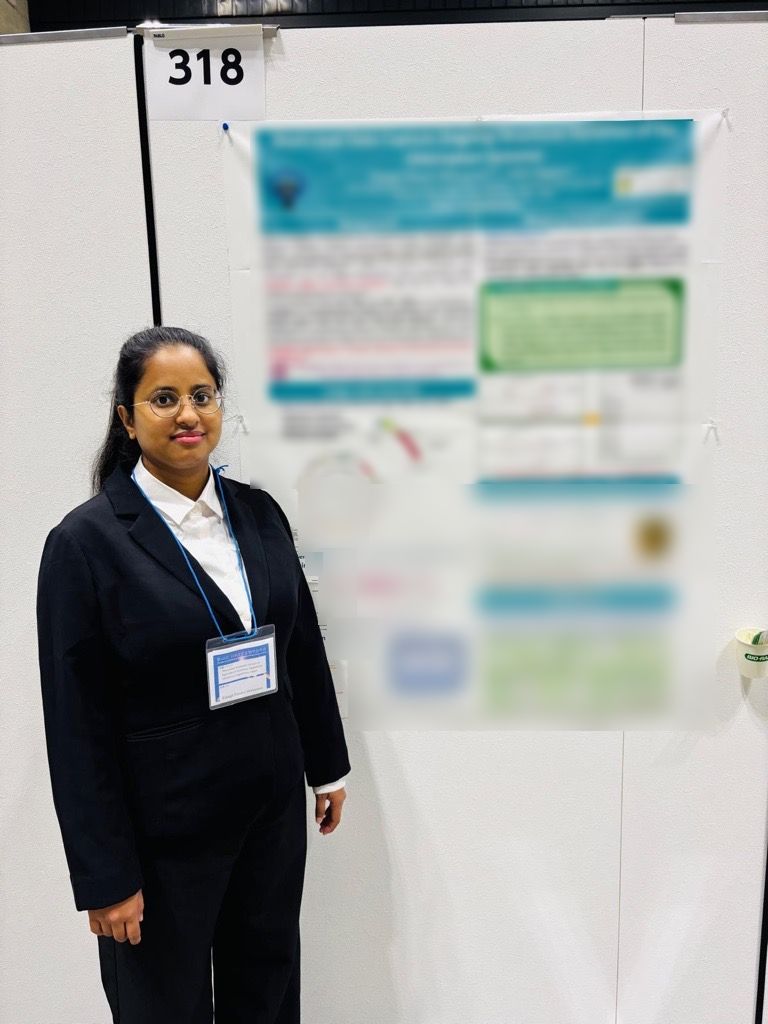
| December 2 to 5, 2025 | Eranga Pawani Witharana gave a seminar in Dr. Takaya Iwasaki’s laboratory at the Faculty of Science, Ochanomizu University, on December 2, and presented a poster at the Annual Meeting of the Molecular Biology Society of Japan, held at Pacifico Yokohama from December 3 to 5. |
| October 21, 2025 | Nagano’s interview was published on page 7 of the July 2025 issue of Vishnu Era – SVES Quarterly News Magazine. |
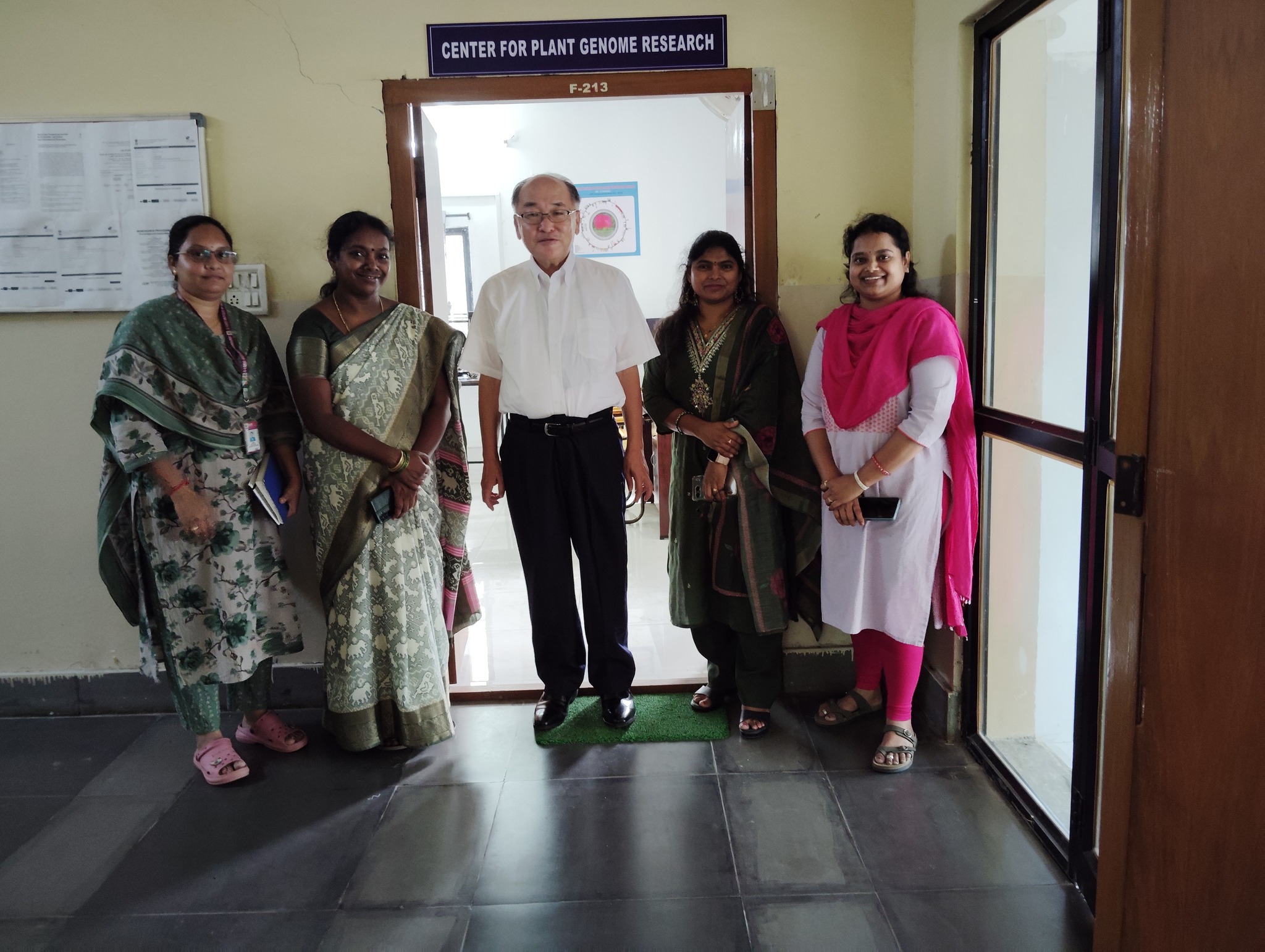
| September 18 to 29, 2025 | To conclude an academic exchange agreement between the Faculty of Agriculture, Saga University, and the Vishnu Japan Outreach Centre under the Sri Vishnu Educational Society in India, Nagano visited India together with Dean Suzuki of the Faculty of Agriculture. For details, please refer to the press release. During the visit, joint research was also conducted with members of the Indian research team. This photo shows the newly established Center for Plant Genome Research. |
| August 19, 2025 | Nagano and colleagues published the co-authored paper “Exploring genetic diversity and population structure of Myanmar indigenous chickens using double digest restriction site-associated DNA sequencing" in Animal Genetics [Journal metrics: Journal Impact Factor: 2.2; CiteScore: 4.0 (latest publisher-listed metrics as of July 2026)]. The first author is Dr. Su Lai Yee Mon. She stayed at Saga University from September 29 to October 3, 2020, during which she conducted part of the data analysis for this study. |
| July 1, 2025 | Nagano was appointed Visiting Professor at the Vishnu Institute of Pharmaceutical Education & Research (Narsapur, Telangana, India) and Shri Vishnu College of Pharmacy (Bhimavaram, Andhra Pradesh, India). The three-year appointments run through June 30, 2028. We will jointly conduct research on medicinal plants. |
| May 29, 2025 | Nagano received two honors at the Springer Nature Editor of Distinction Awards 2025: the Editorial Contribution Award for his contributions to Scientific Reports and the Author Service Award for his contributions to Scientific Reports. Saga University issued a press release on June 10. |
| May 23, 2025 | Seki and Nagano published the paper “Draft genome sequence of Agarivorans albus strain S3 capable of utilizing nori as a nutrient source” in Microbiology Resource Announcements. This is their first joint research paper from our laboratory. |
| May 16, 2025 | A newspaper article about our collaborator, Mr. Fukuda(in Japanese), was published. He graduated from Chienkan High School in March 2025 and planned to enroll at the University of Washington that fall. |
| May 12, 2025 | We published the paper “Metagenomic analysis reveals fuzzy bacterial communities potentially supporting Pyropia yezoensis through vitamin B12 and indole acetic acid biosynthesis" in Phycological Research [Journal metrics: Journal Impact Factor: 1.0; CiteScore: 3.3 (latest publisher-listed metrics as of July 2026)]. The first author is Dr. Yukino Mizutani, who was previously at Saga University and is currently conducting research at Mie University. |
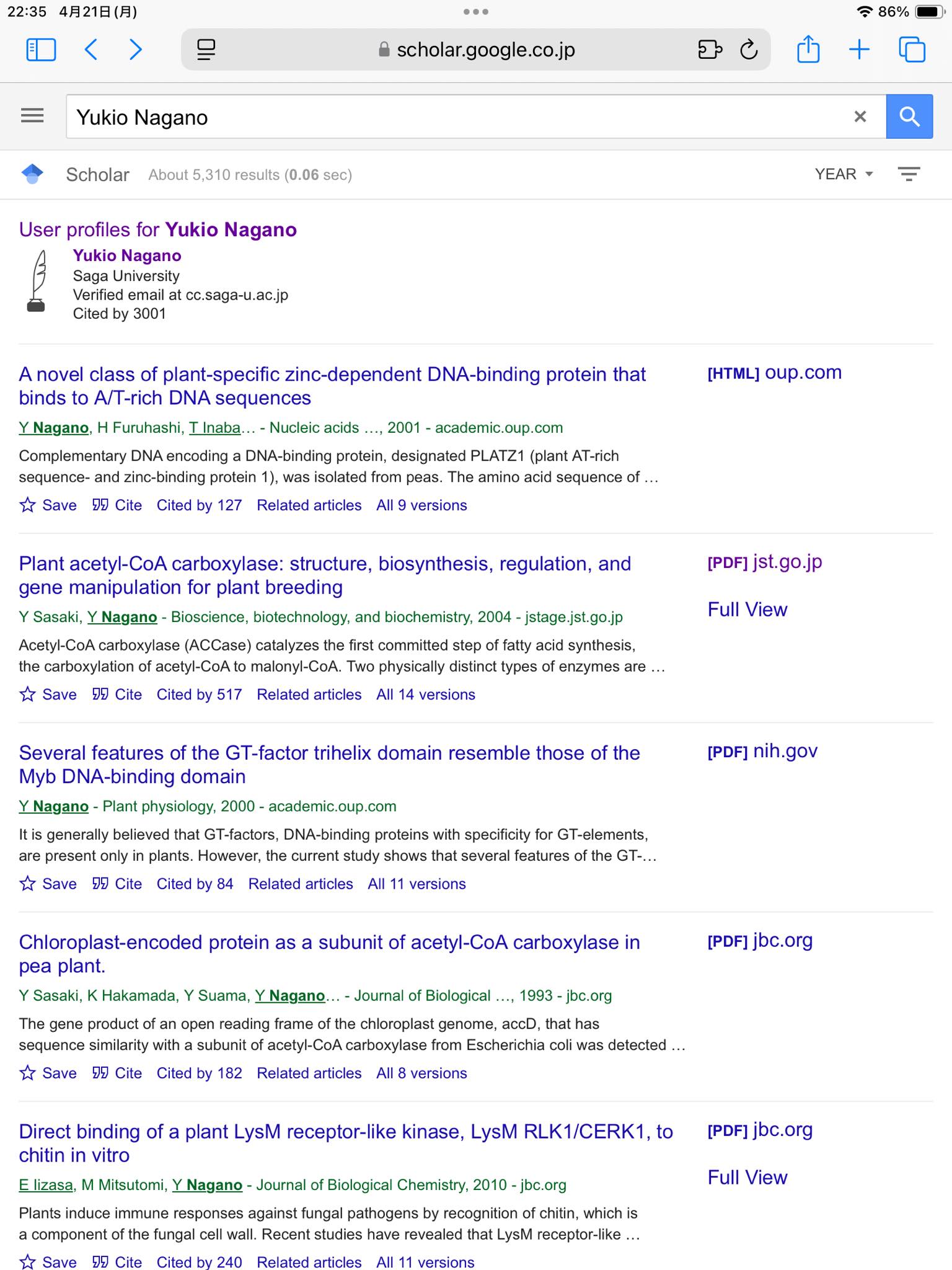
| April 21, 2025 | According to Google Scholar, Nagano’s publications surpassed 3,000 citations. |
| April 10, 2025 | We published the paper “Identification of new resistance QTL regions in loquat cultivar ‘Champagne’ against Pseudomonas syringae pv. eriobotryae group C” in Tree Genetics & Genomes [Journal metrics: 2025 Journal Impact Factor: 2.1; 2025 5-year Journal Impact Factor: 2.1 (latest publisher-listed metrics as of July 2026)]. The first author is Mr. Shogo Koga, who is co-supervised by Dr. Shinji Fukuda and Dr. Nagano. |
| April 7, 2025 | Mr. Shogo Koga, who is co-supervised by Dr. Shinji Fukuda and Dr. Nagano, received the Young Outstanding Presentation Award at the FY2025 Spring Meeting of the Japanese Society for Horticultural Science(in Japanese). This marked his second consecutive year receiving the award. |
| April 1, 2025 | Yukio Nagano joined our laboratory from Saga University’s Analytical Research Center for Experimental Sciences(in Japanese). Ms. Eranga Pawani Witharana (from Sri Lanka) entered a doctoral program. Dr. Myat Htoo San (from Myanmar), who earned her PhD in fiscal year 2024 under Dr. Nagano’s supervision at Saga University’s Analytical Research Center for Experimental Sciences(in Japanese), joined the National Institute of Advanced Industrial Science and Technology as a full-time, permanent researcher. Dr. Takehito Inaba, whom Dr. Nagano mentored at the Faculty of Agriculture, Nagoya University, has been appointed as a professor at the Faculty of Agriculture, Miyazaki University. |